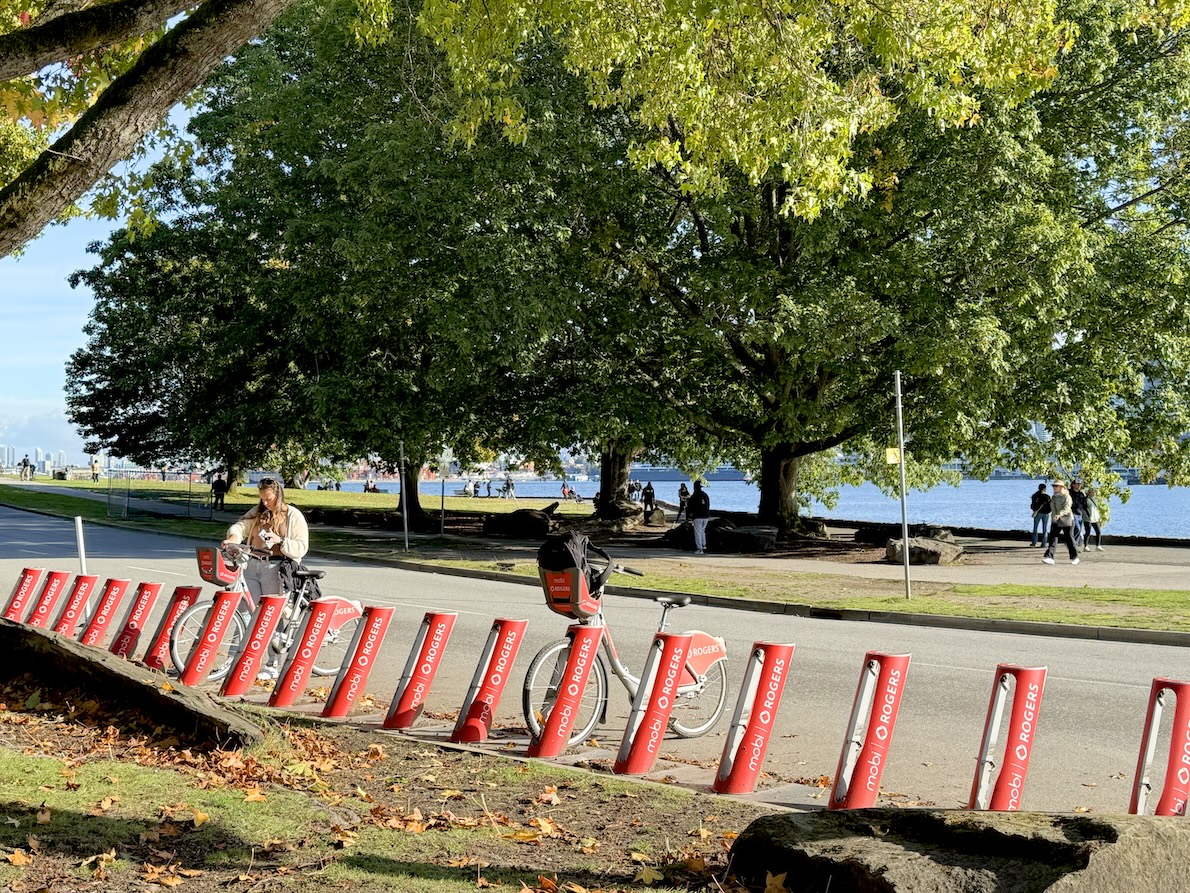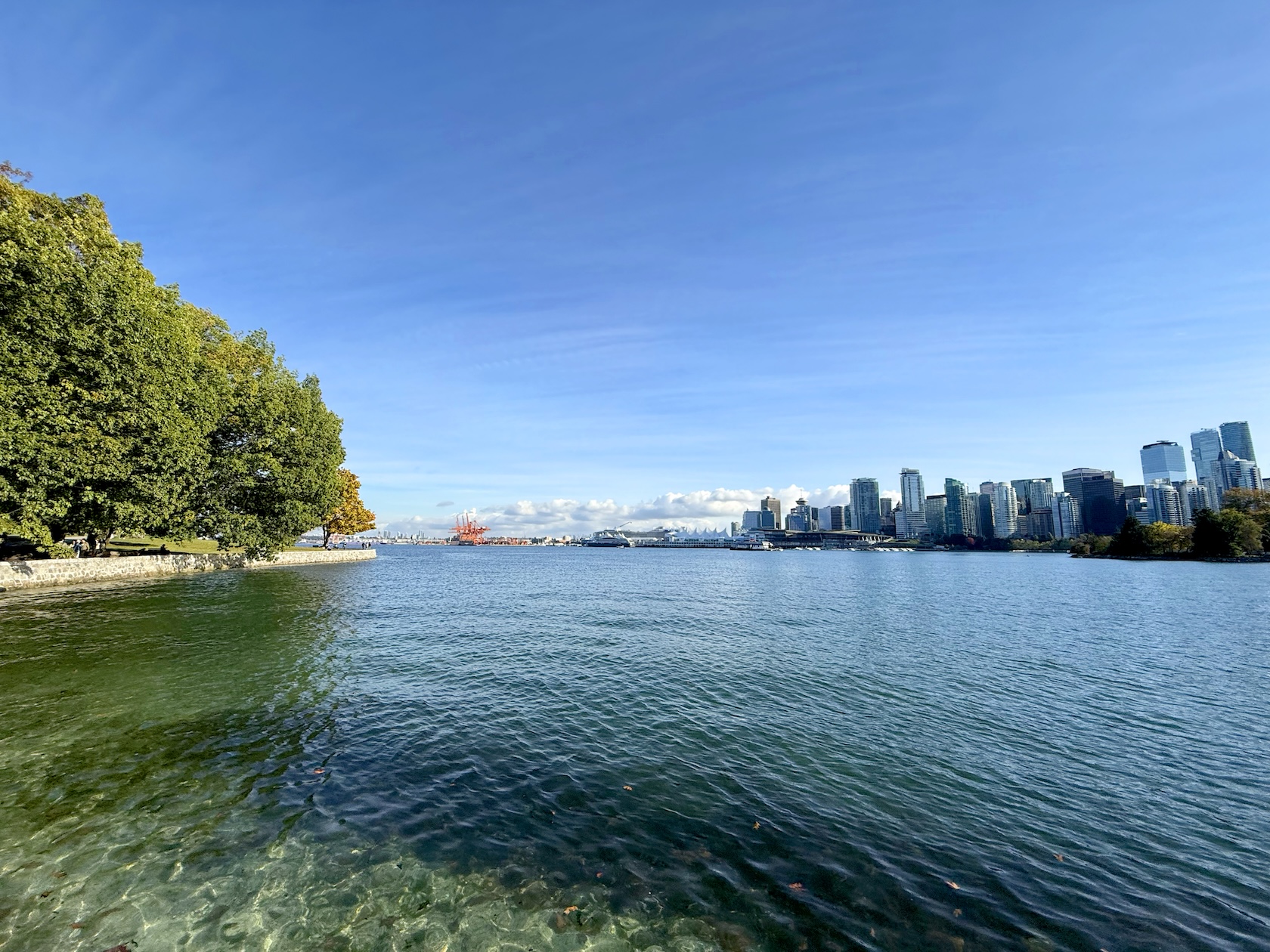
A City’s Green Lung, Carrying Cultural Memories
Stanley Park: A Natural Sanctuary Rooted in Cultural Heritage.Located on a peninsula at the northwestern edge of downtown Vancouver, British Columbia, Stanley Park covers approximately 405 hectares, making it one of the largest urban parks in North America. Before 1888, this land was home to and held sacred by three Coast Salish peoples: the Squamish, Musqueam, and Tsleil-Waututh.
Rather than a landscape artificially constructed by humans, the park is an urban forest that extends naturally from the coastal rainforest. It is home to approximately 500,000 trees, some reaching heights of more than 70 metres. Among the trees, gulls, seals, deer, and people share the landscape, forming one of Vancouver’s most iconic natural scenes.
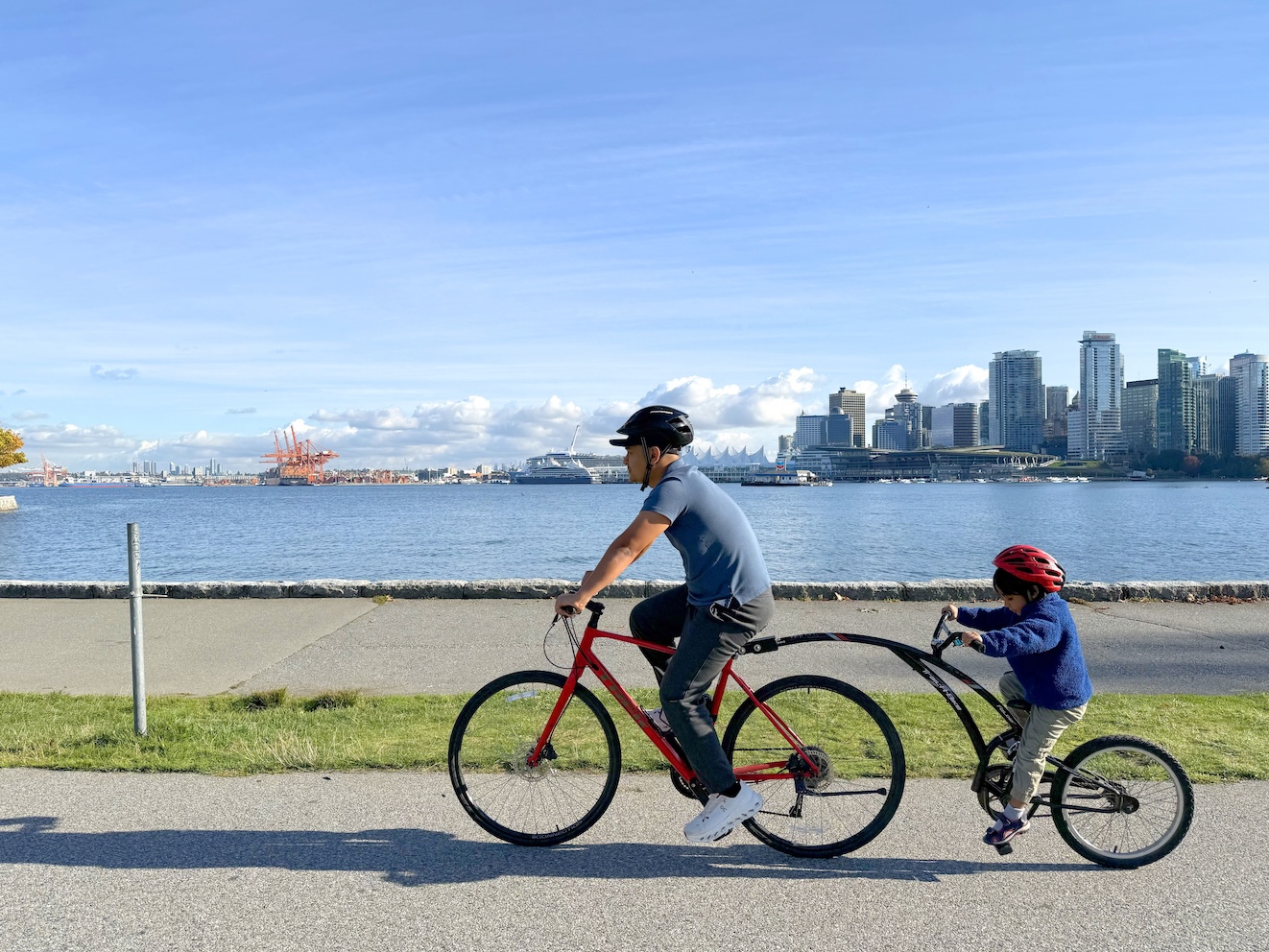
The Seawall Debate: Coexistence Between the Environment and Transportation
During the pandemic, Stanley Park temporarily prioritized cycling, allowing more people to access the park through low-carbon transportation. After the pandemic, whether to retain permanently separated cycling lanes became a focal point of public debate. Supporters argued that they could reduce carbon emissions and minimize conflicts with motor vehicles, while opponents expressed concerns that they might restrict access for older visitors and shuttle buses.
In 2025, the Vancouver Park Board approved a plan to assess the design of permanent cycling lanes along the northern section of the park and the uphill and downhill stretches at Prospect Point. This debate reflects Vancouver’s diverse perspectives on how to enjoy nature safely.
A Path Toward Coexistence, A Dialogue in Progress
As you ride through Stanley Park, the sea breeze seems to remind you that a good cycling path is never the work of a single department alone. It requires foresight from planners, mutual consideration among users, and the courage to keep moving forward in the face of controversy.
When Canada brings together national strategies, local experiments, and public participation, cycling becomes more than a means of transportation. It becomes a proposal for how we can live together.