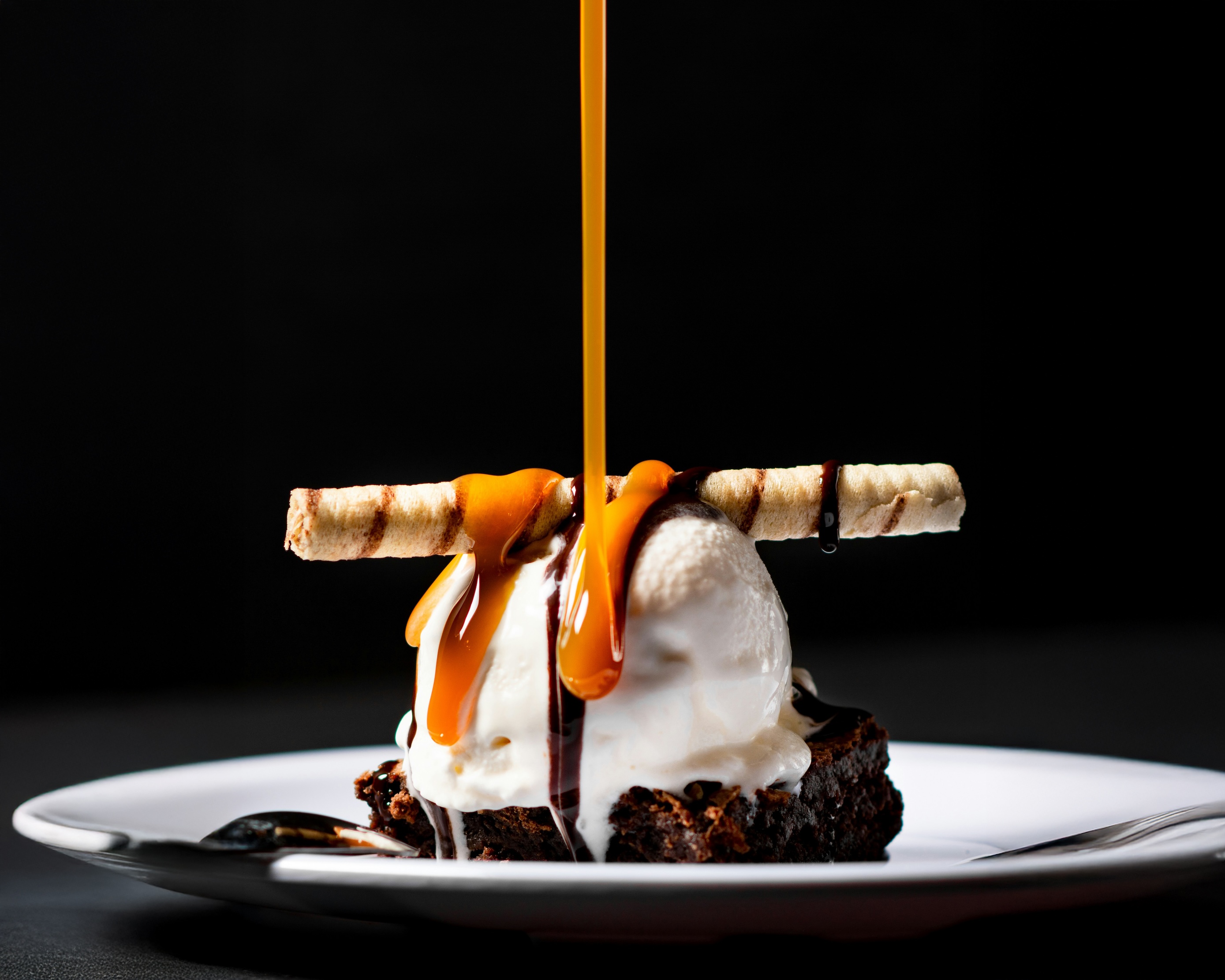
“Why do I crave something sweet after a workout? Is that normal?” This is a common question among athletes and the general public alike. Tseng Yi-Chun, a nutritionist at the National Sports Science Center, smiles as she explains, “It’s actually a clever response from the body! It’s not simply a matter of craving sweets; it’s the body’s need to replenish energy.”
She explains that during exercise, the body consumes large amounts of glycogen as its primary energy source. As glycogen stores decline, blood glucose levels may also drop, prompting the brain to signal that it needs more carbohydrates. As a result, people may naturally develop a stronger craving for sweet foods. Exercise also stimulates dopamine release, contributing to feelings of pleasure. If exercise alone does not provide enough of that rewarding sensation, the body may seek additional gratification through sweet foods. This helps explain why so many people crave something sweet after working out.
Tseng points out that consuming an appropriate amount of carbohydrates helps replenish glycogen stores, supports muscle recovery, and may help regulate the stress hormone cortisol. However, choosing desserts high in refined sugar and fat, such as cakes, cookies, and sugary drinks, may provide a quick energy boost but can also cause sharp fluctuations in blood glucose levels and affect metabolic responses. In contrast, choosing naturally sweet foods such as fruit, oats, and honey-roasted sweet potatoes, paired with an appropriate amount of protein, can better support the body’s recovery.
The Golden Recovery Window — How Should You Eat to Get the Most Out of Your Training?
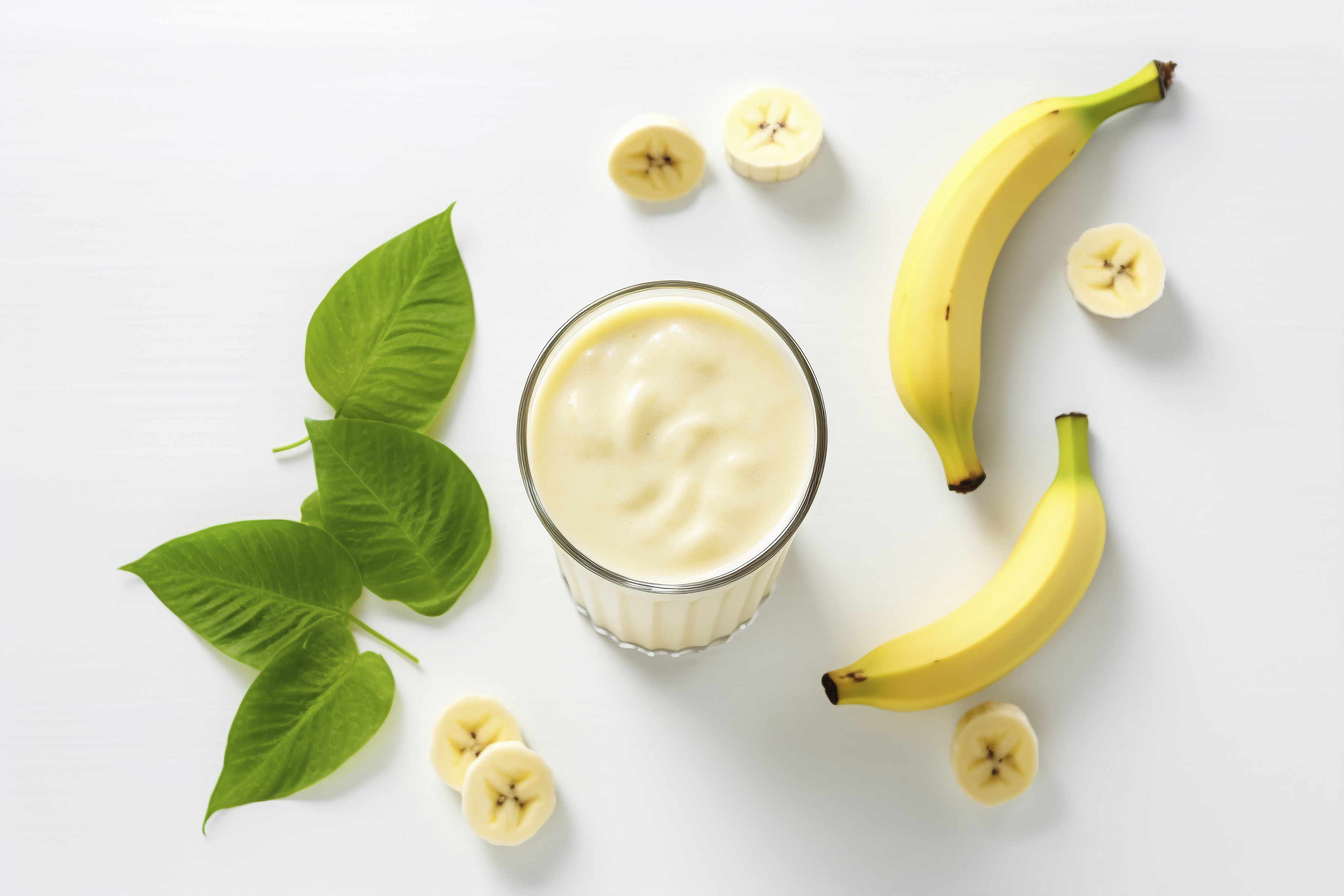
To maximize training results, the 30–60 minutes after exercise are often considered a key “recovery window.” During this period, the body is well positioned to use nutrients for recovery. Consuming an appropriate amount of carbohydrates and protein can help replenish energy stores, support muscle recovery, and improve subsequent exercise performance.
Tseng Yi-Chun offers several simple post-workout food combinations:
After endurance exercise (such as marathons and cycling):
The body requires more carbohydrates. A suggested intake is 1.0–1.2 g of carbohydrates per kilogram of body weight, paired with 20–25 g of protein. Examples include:
- Banana + yogurt
- Honey cake + protein shake
- Wrap with hummus and chicken
After resistance training (such as gym workouts and weightlifting):
Carbohydrate needs may be lower, with a suggested intake of 0.5–0.7 g of carbohydrates per kilogram of body weight, paired with 25–30 g of protein. Examples include:
- Fruit and oats + Greek yogurt
- Roasted sweet potato + boiled eggs
- Frozen berries + protein shake
“Craving something sweet after exercise is normal. What matters is making smart food choices!” Tseng concludes. “Choose natural carbohydrate sources alongside an appropriate amount of protein to satisfy your taste buds while supporting recovery. Don’t let sweets become a source of guilt or stress—instead, learn to enjoy them in balance!”


Tseng Yi-Chun, a nutritionist at the National Sports Science Center